

Introduction: A Role That Evolves With Every Generation
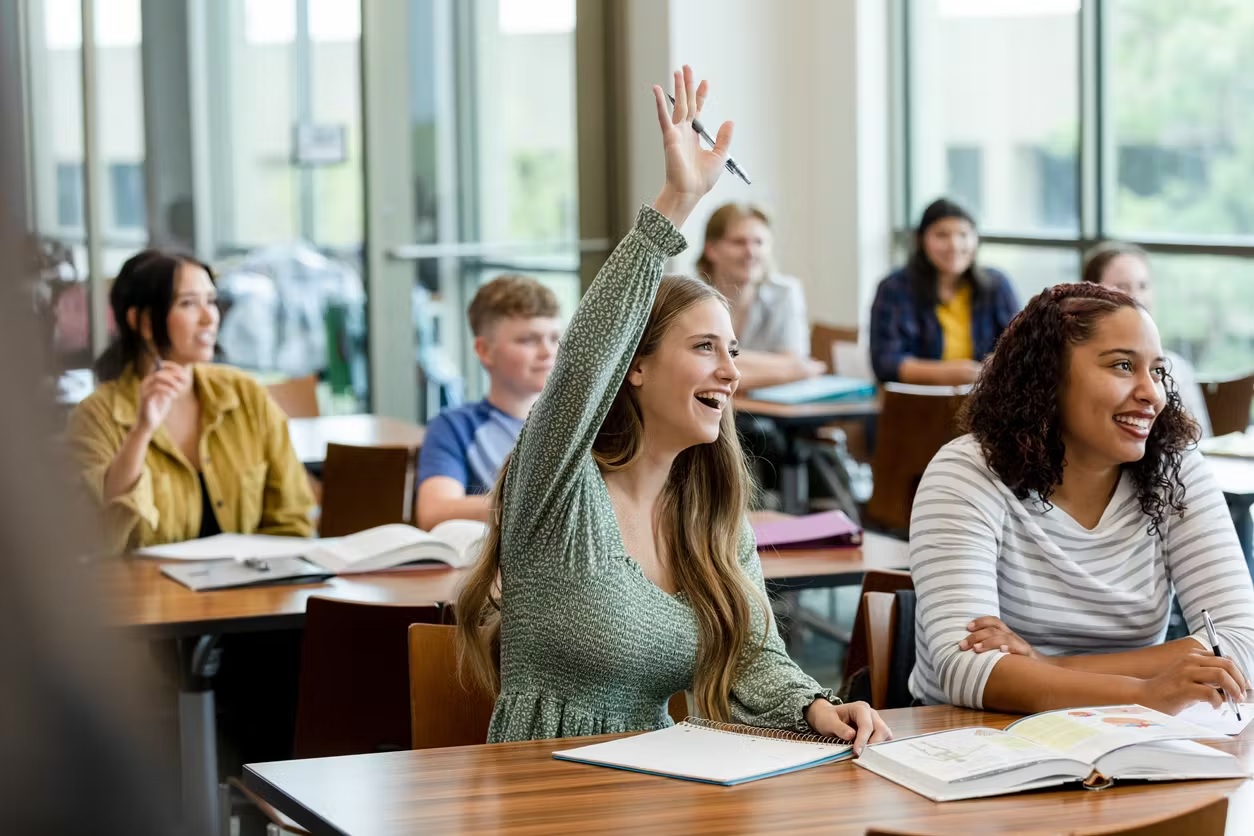
The word student might seem simple at first glance — a child scribbling notes in a classroom, a teenager memorising formulas for an exam, or a young adult poring over textbooks at a university library. Yet beneath that image lies a role that is far more nuanced, demanding, and vital to society than it appears. In truth, a student is not merely someone who attends classes or earns grades, but a seeker — a person in pursuit of knowledge, growth, and a better version of themselves. As the world around us transforms at a breathtaking pace, the life of the modern student has expanded far beyond the traditional classroom, encompassing new challenges, new tools, and new expectations.
Who Is the Student Today?
No longer limited to a specific age group or stage of life, today’s student can be anyone, anywhere. A child learning multiplication tables is as much a student as a retiree enrolling in an online philosophy course. Technology has blurred the lines between who can learn and where learning can happen.
Modern students come in many forms:
-
School Students: Children and teenagers building their foundational understanding of the world.
-
University Students: Young adults refining their interests and stepping toward professional careers.
-
Working Professionals: Adults returning to education to gain new skills or switch fields.
-
Lifelong Learners: Individuals driven by curiosity alone, taking courses purely for enrichment.
The unifying trait among them is a mindset of openness and a willingness to evolve.
Academic Pressures and Expectations
Being a student has never been easy, but modern students face a unique blend of pressures that can be both motivating and overwhelming. Academic competition has intensified, with high grades often seen as tickets to top universities or lucrative jobs. Social media magnifies these pressures by showcasing peers’ accomplishments, fuelling the urge to keep up.
Key challenges today’s students commonly navigate:
-
High Performance Standards: The drive to achieve perfect grades or test scores.
-
Multiple Responsibilities: Many students balance study with part-time work, family obligations, or extracurricular commitments.
-
Information Overload: The abundance of online resources can make it harder to focus and filter credible information.
-
Mental Health Strain: Anxiety, burnout, and loneliness have become frequent companions for students worldwide.
While these challenges can build resilience, they also highlight the urgent need for balance and support.
The Joy of Learning: Rediscovering Curiosity
Amid deadlines and exams, it is easy to forget that being a student can be deeply joyful. Learning unlocks new worlds, offers fresh ways of seeing familiar things, and invites students to question, debate, and imagine.
Ways students can keep their curiosity alive:
-
Choose elective subjects or activities that spark genuine interest.
-
Join clubs, societies, or online forums that connect learning with community.
-
Take breaks from memorising facts to explore how knowledge applies to real-life problems.
-
Seek mentors — teachers, professors, or peers — who inspire passion beyond the syllabus.
The Power of Student Communities
A student’s journey is rarely walked alone. Some of the most valuable lessons come not from textbooks but from fellow students. Friendships formed over late-night study sessions, group projects, or shared failures often leave a lasting mark.
Benefits of being part of a strong student community:
-
Collaboration: Learning together deepens understanding and broadens perspectives.
-
Support: Peers can empathise with struggles and celebrate milestones.
-
Networking: Connections made at school or university often shape future opportunities.
-
Diversity: Interacting with students from varied backgrounds nurtures tolerance and open-mindedness.
Technology: Friend and Foe
Modern students are digital natives. They research online, submit assignments through cloud platforms, and join virtual classes from anywhere in the world. This access is empowering but comes with distractions that previous generations never faced.
Technology’s double-edged impact:
-
Access to Knowledge: Students can learn anything, anytime — from coding to ancient history.
-
Collaboration Tools: Shared documents, forums, and video calls enable teamwork beyond borders.
-
Constant Distraction: Social media, endless notifications, and digital entertainment can erode focus and productivity.
Learning to use technology mindfully is now as important as mastering any academic subject.
Building Skills Beyond Books
Success as a student no longer depends solely on academic prowess. Employers and universities increasingly value qualities that go beyond grades — creativity, adaptability, problem-solving, and emotional intelligence.
How students can cultivate well-rounded skills:
-
Participate in extracurricular activities like sports, arts, or volunteering.
-
Develop communication skills through debates, presentations, or writing.
-
Seek internships or part-time jobs that provide practical experience.
-
Embrace failure as part of growth, learning resilience along the way.
Prioritising Well-Being
A truth often forgotten is that students are people first. Rest, play, and connection are not luxuries but essentials that sustain motivation and health.
Practical ways students can care for themselves:
-
Set realistic goals and accept that perfection is unattainable.
-
Take regular breaks and spend time outdoors.
-
Talk openly about stress with trusted friends, teachers, or counsellors.
-
Establish daily routines that include enough sleep, nutrition, and exercise.
A well-balanced student is far more likely to thrive — academically and personally.
Conclusion: The Student as a Lifelong Identity
The word student should not be boxed in by age, place, or profession. In the truest sense, to be a student is to live in a state of humble curiosity — always ready to learn, adapt, and grow. Whether seated in a noisy classroom, studying late into the night in a dorm room, or attending a virtual seminar decades after graduation, the student spirit remains the same: a commitment to seek knowledge and transform it into something meaningful.
In an era defined by rapid change and limitless information, the student who learns how to learn — and finds joy in doing so — will always hold an advantage. And perhaps more importantly, they will carry with them a way of seeing the world that remains forever fresh, open, and alive with possibility.