

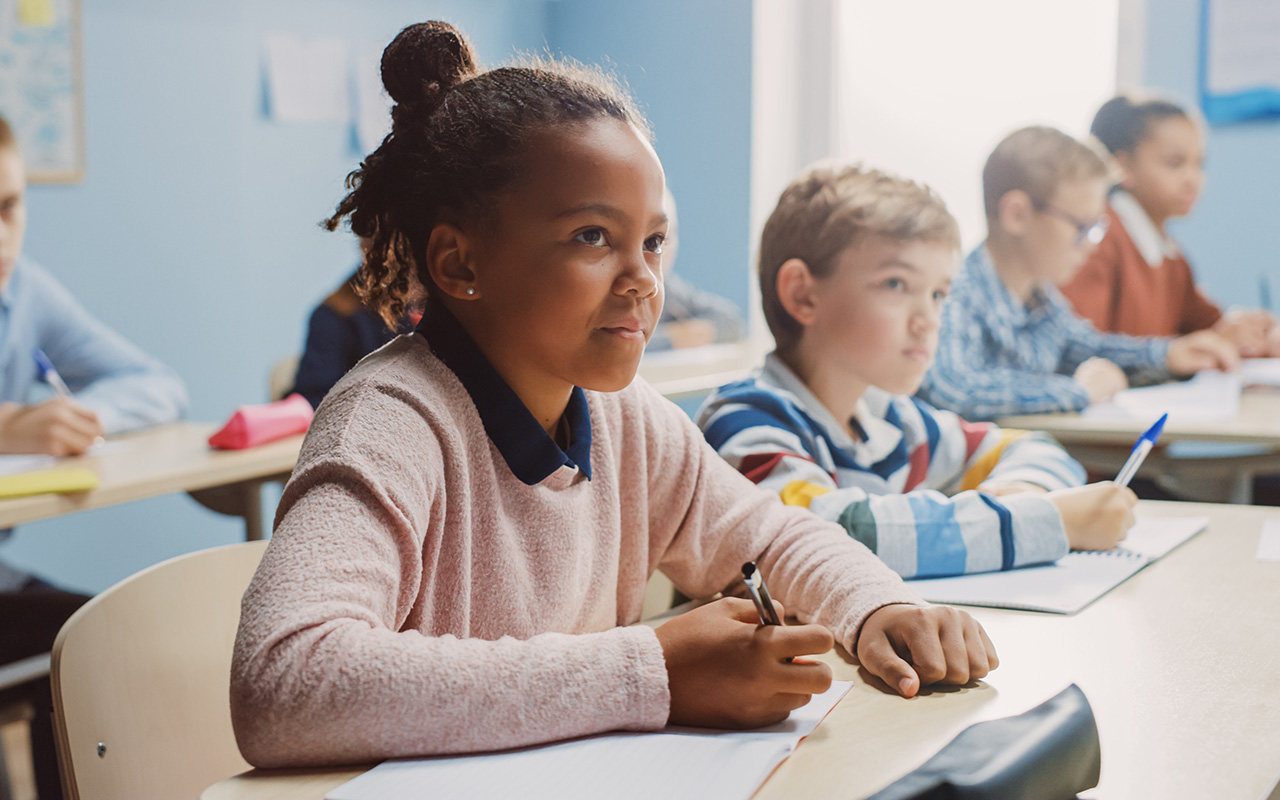
Introduction: The Art of Never Standing Still
Learning is the quiet force behind every advance in human civilisation. From ancient philosophers gathering under olive trees to modern students attending virtual lectures from opposite ends of the globe, the act of learning remains the golden thread connecting our past to our future. Yet learning today is no longer confined to dusty libraries or the four walls of a classroom. It has evolved into a lifelong craft — one that rewards the curious, the determined, and those humble enough to admit they do not know it all.
What Does It Mean to Truly Learn?
At its heart, learning is more than memorising facts and figures. True learning transforms the mind and, in turn, reshapes our actions, beliefs, and possibilities. It is an active process — absorbing information, questioning it, applying it, and, if necessary, unlearning it to make space for better understanding.
Consider the layers of deep learning:
-
Acquisition: Gathering new ideas or skills.
-
Assimilation: Connecting fresh knowledge with what you already know.
-
Application: Using what you’ve learned in real-world contexts.
-
Reflection: Pausing to evaluate how well you have grasped and used the new knowledge.
When all these elements come together, learning moves from passive consumption to active mastery.
Learning Across Life’s Stages
The beauty of learning lies in its timelessness. We begin as children, eager and uninhibited, absorbing languages, habits, and ways of seeing the world. Yet somewhere along the way, too many adults fall into the trap of believing that learning ends when formal schooling does. In truth, the most fulfilled lives are those marked by an unceasing hunger to learn.
Childhood: The Age of Wonder
Children are natural learners. They approach the world with wide-eyed curiosity and ask the questions adults have learned to suppress. They fail daily and try again, undaunted by mistakes.
Key lessons for adults from childhood learning:
-
Stay curious about how things work.
-
Experiment fearlessly — even when failure is guaranteed.
-
See every question as worth asking, however basic it may seem.
Adulthood: Turning Knowledge Into Wisdom
As adults, we often learn with a purpose — to earn qualifications, master a profession, or adapt to new demands. But practical learning is only half the story. The richest learning happens when we connect professional growth with personal enrichment.
How adults keep learning alive:
-
Take up new hobbies that stretch the mind in unfamiliar directions.
-
Read widely — fiction, non-fiction, philosophy — to challenge comfortable assumptions.
-
Travel, converse, and expose yourself to ideas that clash with your own.
Later Years: Lifelong Learning as a Legacy
For the elderly, learning can bring profound satisfaction. Whether picking up a musical instrument or studying history, learning keeps the mind agile, fends off isolation, and offers a chance to pass on hard-won wisdom to younger generations.
Modern Learning: The Digital Renaissance
We live in an age of boundless access. An internet connection today can deliver lectures from world-class professors, tutorials from industry leaders, and insights from diverse cultures — all at your fingertips.
Key drivers of modern learning:
-
Online Courses: From Ivy League universities to niche skill platforms.
-
Podcasts and Audiobooks: Learning on the go has never been easier.
-
Communities and Forums: Spaces where learners exchange ideas, solve problems, and grow together.
But access alone is not enough. In an age of information overload, the skill of learning how to learn — to filter, verify, and apply knowledge wisely — is more critical than ever.
How to Cultivate Effective Learning Habits
Learning is not about cramming facts once a year but about weaving it into daily life. Small habits, repeated consistently, unlock extraordinary growth over time.
Practical ways to learn better:
-
Set Clear Goals: Know what you want to learn and why it matters.
-
Break It Down: Divide large subjects into manageable chunks.
-
Teach Others: Explaining what you’ve learned cements your understanding.
-
Embrace Discomfort: Stretch into subjects or skills that feel intimidating.
-
Stay Consistent: Ten minutes daily beats two hours once a month.
The Role of Reflection
One habit that separates good learners from great ones is reflection. Taking time to pause and think deeply about what you’ve learned sharpens understanding and reveals gaps. Journaling, mind maps, or simple conversations can all spark these valuable insights.
Learning From Failure
Perhaps the greatest myth about learning is that it must be neat and tidy. In reality, it is messy, unpredictable, and often humbling. The mistakes we make along the way — the failed experiments, the wrong turns, the misunderstood concepts — are what solidify our growth. Embracing failure as a teacher, rather than a threat, keeps learning alive.
Why Learning Matters Now More Than Ever
In a world of rapid change — where yesterday’s skills fade and new ones appear overnight — the true advantage belongs not to those who know the most, but to those who learn the fastest. Companies hire for adaptability. Communities thrive when their people are curious. Individuals stay relevant when they choose to grow, again and again.
Conclusion: The Lifelong Learner’s Reward
To commit to learning is to commit to being fully alive — receptive, evolving, and forever curious. It is a promise we make to ourselves to keep reaching for ideas bigger than our own, to stay humble in the face of what we do not know, and to find wonder in the endless well of knowledge this world offers.
A mind that never stops learning is a mind that never grows old. In the end, learning is not just an obligation or a tool for success — it is the purest expression of what it means to be human.