

Introduction: More Than Just a Building
For many, the word school conjures images of brick walls, wooden desks, the smell of chalk, and the steady murmur of voices echoing through hallways. Yet, school is far more than a building where children gather for several hours a day. It is a quiet but profound force that shapes not only what we know but who we become. From the first awkward steps into kindergarten to the final exams of secondary school, these institutions play an irreplaceable role in building minds, moulding character, and preparing individuals to participate meaningfully in the wider world.
The Purpose of School: Beyond Grades and Exams
Ask anyone why we need schools, and you may hear the usual reply — to get good grades, pass exams, and prepare for jobs. While true, this answer barely scratches the surface. A true school is not a place where facts are force-fed and students are tested until they can recite them perfectly. At its best, a school provides a safe, structured environment for young people to explore curiosity, test ideas, fail safely, and develop a lifelong appetite for learning.
The deeper roles of school include:
-
Fostering Social Skills: Classrooms are one of the first places children learn to collaborate, resolve conflicts, and respect differences.
-
Instilling Values: Schools help nurture values such as honesty, responsibility, fairness, and resilience.
-
Encouraging Curiosity: A good school ignites questions rather than merely providing answers.
-
Building Confidence: Students discover their talents and learn to overcome weaknesses.
Teachers: The Living Heart of Any School
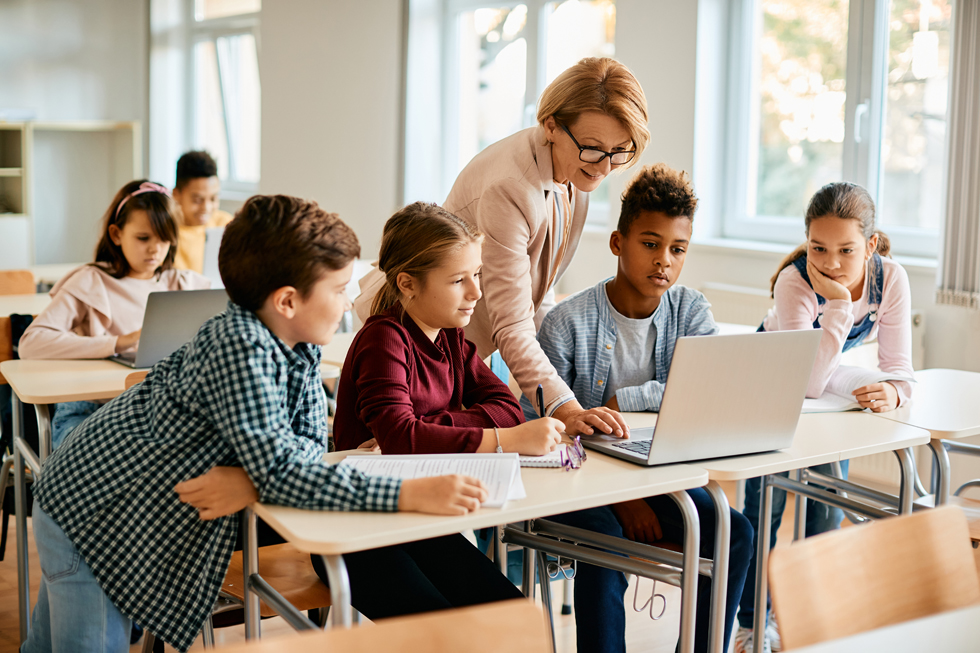
No discussion of school is complete without honouring the teachers who inhabit its classrooms. Teachers stand at the front of the room but often work behind the scenes, gently guiding students toward their best selves. The best teachers do more than deliver lessons; they mentor, inspire, and awaken minds.
Qualities of transformative teachers:
-
Patience: Understanding that each child learns at a different pace.
-
Passion: Infusing lessons with energy that sparks student interest.
-
Empathy: Seeing each student as a whole person with unique challenges and gifts.
-
Adaptability: Tailoring methods to reach every learner, however varied their needs.
It is no exaggeration to say that a single dedicated teacher can change the course of a student’s life.
The School Community: A Microcosm of Society
A thriving school is more than just classrooms and textbooks. It is a community — teachers, students, administrators, and parents working together. In this microcosm, young people experience what it means to be part of something larger than themselves.
Schools often teach lessons about life in subtle ways:
-
Diversity: Students learn to appreciate cultures and perspectives different from their own.
-
Democracy: Student councils and clubs model civic engagement.
-
Responsibility: Group projects and peer-led activities encourage accountability and teamwork.
-
Tradition and Ritual: Sports days, assemblies, plays, and ceremonies create a sense of belonging.
The Changing Face of Schooling
Schools have evolved dramatically from the rigid, lecture-heavy models of the past. In recent decades, new approaches have transformed how subjects are taught and how students engage with information.
Modern trends shaping schools include:
-
Technology Integration: Classrooms equipped with digital tools, online resources, and smart boards.
-
Personalised Learning: Tailoring lessons to fit individual strengths, weaknesses, and interests.
-
Project-Based Learning: Encouraging students to solve real-world problems through research and creativity.
-
Global Connectivity: International exchange programmes and online collaborations that broaden perspectives.
These innovations aim to prepare students not just for exams but for a complex, interconnected world.
Challenges Schools Face
Despite their crucial role, schools today face significant hurdles. Underfunded schools struggle to provide quality resources or attract skilled teachers. Large class sizes make individual attention difficult. In some regions, political or cultural tensions seep into the curriculum, restricting open thought and debate.
Moreover, the pandemic years brought unprecedented disruption, forcing schools worldwide to pivot overnight to remote learning. While this revealed the potential of technology, it also exposed stark inequalities — not every child has reliable internet or a quiet place to study.
Addressing these challenges demands commitment from governments, communities, and families alike.
What Makes a Great School?
While schools differ across cultures and regions, the elements of a truly great school often look remarkably similar.
Key qualities include:
-
A Clear Vision: A strong mission that puts student growth at its heart.
-
Dedicated Teachers: Skilled, motivated educators who receive proper training and support.
-
Engaged Parents: Families who value education and partner actively with teachers.
-
Safe Environment: A space where every student feels secure, respected, and valued.
-
Room for Exploration: Opportunities for students to discover interests beyond the standard curriculum.
How Schools Shape Our Lives Long After We Leave
Long after we have forgotten equations or grammar rules, the lessons of school echo through our choices and values. Many adults credit their confidence in public speaking to a single debate class. Others trace their love for books to one patient librarian. Friendships forged on playgrounds often outlast the school years themselves.
More subtly, schools give us the tools to keep learning — to question, to think critically, and to adapt. They prepare us to be not just workers, but thoughtful citizens, parents, neighbours, and leaders.
Conclusion: A Foundation Worth Nurturing
In the rush of daily life, it is easy to reduce school to grades and report cards. But if we look closer, we see it for what it truly is — the foundation of a society’s future. The lessons learned in classrooms today ripple outward into families, communities, and entire nations.
For this reason, investing in schools is investing in tomorrow. And beyond the walls of any single institution, every teacher, student, and parent who believes in the power of learning helps ensure that school remains not just a place we pass through, but a force that shapes us, guides us, and reminds us that every mind is worth growing.